







Search Results for: French Milk Coffee

The Complete Guide to Making Milk Foam with a French Press: Hot and Cold Milk Foam Methods, Latte Art Techniques, and the Principles and Key Points of Using a French Press
Want to make dense milk foam without an espresso machine? A French press costing around twenty yuan can help. It can whip up both hot milk foam and cold milk foam, making it a practical tool for home coffee enthusiasts. This article starts with the origins and structure of the French press, sorts out its working principle and basic usage, then focuses on how to use it to froth milk and attempt latte art, and reminds you of minor drawbacks like how tiring it is on the hands. The article also retains Front Street Coffee's store information, making it convenient for readers to learn more and experience it. [more…]

What's the difference between an Italian milk coffee and a French au lait? Can pour-over coffee actually be made with milk?
Milk coffee actually has Italian and French variations? This seemingly obscure topic actually hides a fundamental difference in coffee strength and mouthfeel. Italian milk coffee uses espresso as its base, with high strength and full flavor; French au lait, on the other hand, uses any black coffee with milk, offering a softer taste and a lighter burden. So can pour-over coffee actually have milk added? How much is appropriate? Starting from Front Street's actual brewing parameters, this article guides you through the essential differences between the two types of milk coffee and provides a specific recipe for café au lait. Whether you're an espresso enthusiast or a pour-over devotee, you'll find the cup that suits you. [more…]

How Is Café au Lait Different from a Latte? The French Milk Coffee Making Method and an Analysis of the Meaning of "Au Lait" in French
The world of milk coffee is far more than just the combination of espresso and milk. Long before espresso became widespread, a drink made by blending black coffee with milk had already been popular across Europe for centuries—café au lait. This article walks you through the French meaning of café au lait, its historical origins, and its essential differences from a latte. At the same time, Front Street will share how to use highly concentrated pour-over coffee and milk in equal proportions to make a delicious café au lait, and recommend several dark-roast beans that pair well with milk, so you can easily recreate this French classic at home. [more…]
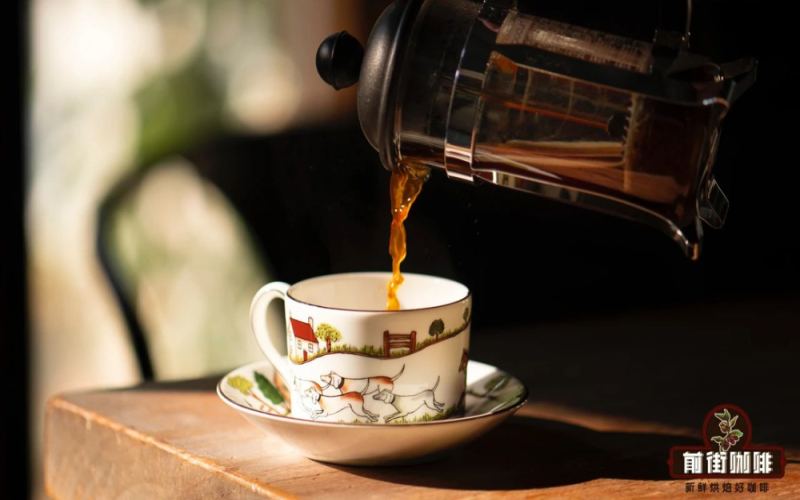
The Complete Guide to Milk Frothing with a French Press: A Full Tutorial from Hot Cappuccino to Iced Cappuccino
The French press is not just a great tool for brewing coffee and extracting tea—it can also easily create thick, creamy milk foam, making it a wonderful helper for making cappuccinos and lattes at home. In this article, Front Street Coffee will walk you through the origins of the cappuccino's name, the difference between dry and wet milk foam, and how to make a classic hot cappuccino using espresso, hot milk, and milk foam in the traditional proportions. In addition, we'll break down in detail the French press milk-foaming method and assembly steps for iced cappuccino, and explain why most coffee shops don't sell iced cappuccinos. At the end of the article, we've included a Front Street Coffee classic espresso blend recommendation, perfect for coffee lovers who want to recreate a professional taste at home. [more…]
What Is the Difference Between Café au Lait and Latte? The Origins, Meaning, and Home-Making Guide to French Milk Coffee
When it comes to milk coffee, many people's first thought is the various milk coffees made by combining espresso with milk. However, before espresso became widespread, Europe had long been enjoying a drink made by mixing black coffee with milk—Café Au Lait. It comes from the French "Café Au Lait," and in 17th- and 18th-century France it was almost a breakfast staple. This article will begin with the meaning of the name Café Au Lait and its historical origins, compare it with Italian latte, and explain in detail how to make a smooth French milk coffee at home using a simple pour-over method, while also sharing bean selection advice and specific brewing parameters. [more…]
What Coffee Grounds Are Suitable for a French Press? Detailed Explanation of Hot vs. Cold Brew Differences and Brewing Parameters
The French Press was invented in France in the 19th century, and thanks to its simple structure and easy operation, it remains a daily choice for many coffee lovers today. It uses immersion extraction, requiring only three steps to brew: add grounds, pour water, and press the plunger. But to consistently produce a good cup of coffee, the coffee-to-water ratio, grind size, water temperature, and steeping time all need to be carefully controlled. Drawing on extensive brewing experience, Front Street Coffee offers coffee bean recommendations and parameter suggestions suited to the French Press, and extends this into a complete method for making iced coffee with a French Press. In addition, the French Press can also serve as a cupping tool, a tea-making vessel, or even a milk frother, and there are finer points to cleaning and disassembling it. [more…]
What coffee grounds are suitable for a French press? A complete guide from parameters to iced coffee and cleaning
Since the French press was born in 19th-century France, its simple structure and immersion brewing method have made it a daily choice for many coffee lovers. But if you want to consistently produce a good cup with it, there are finer points to how the coffee grounds should be chosen, how coarse the grind should be, how hot the water should be, and how long it should steep. This article starts from Front Street Coffee's hands-on experience, sorting out the French press's coffee-to-water ratio, grind size, water temperature, and time parameters, and extends to uses such as cupping, tea brewing, and milk frothing. It also includes a French press iced coffee extraction plan and disassembly and cleaning methods to help you use this simple device more thoroughly. [more…]
Why Is Iced Cappuccino So Rare? Front Street Coffee Teaches You to Make a Smooth, Frothy Iced Cappuccino at Home with a French Press
On café menus, iced cappuccino is often nowhere to be found. Is it because it's too difficult to make, or because the taste is hard to accept? From the perspective of Front Street, this article first walks you through the origins of the cappuccino name and how the hot version is made, then takes a deeper look at why the cold version is so scarce, and finally gives a step-by-step demonstration of how to use an ordinary French press at home to whip up thick, velvety cold milk foam and put together a refreshing yet rich iced cappuccino. The whole process requires no professional espresso machine, and the parameters are flexible and adjustable—perfect for coffee lovers to recreate at home. [more…]
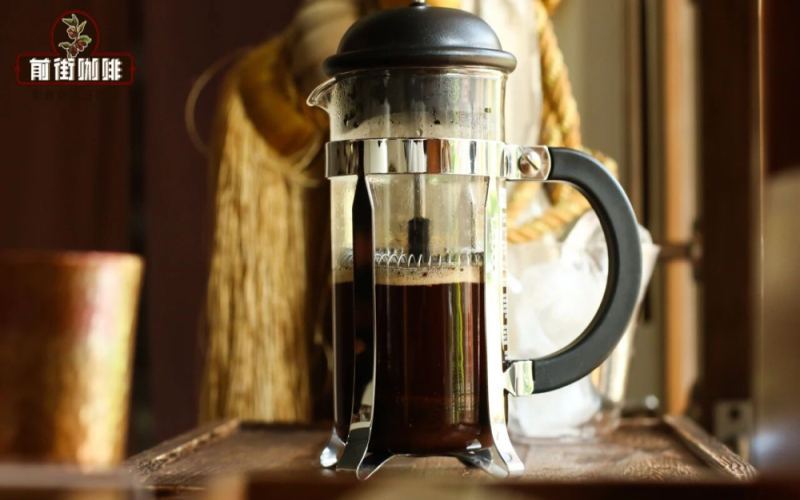
The Complete Guide to French Press Brewing: Coffee-to-Water Ratio, Grind Size, Water Temperature, Steep Time, and Iced Coffee Method
The French press is a classic immersion coffee brewing device originating from 19th-century France. It has a simple structure and is easy to operate, yet it can extract rich, well-balanced coffee. Starting from the four core parameters—coffee-to-water ratio, grind size, water temperature, and steeping time—this article breaks down the key points of French press brewing in detail, and further introduces its many uses as a cupping tool, tea maker, and even milk frother. In addition, it shares a complete method for making iced coffee with a French press, along with coffee bean recommendations suitable for the French press and cleaning and maintenance tips, helping you fully master how to use a French press. [more…]
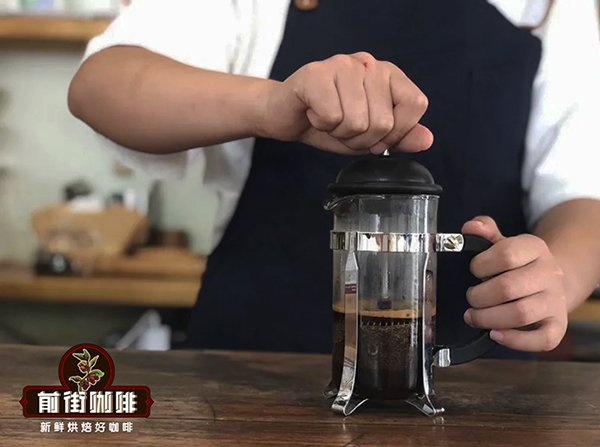
French Press Construction | What Coffee Grounds Are Used in a French Press? How to Brew Coffee with a French Press? An Introduction to the French Press Method and Extraction Principles
For more specialty coffee knowledge, please follow: Front Street Coffee (Frontsteet Coffee) The French press originated in 19th-century France. In English it is called French Press, and in Chinese it can also be called "法式压滤壶". Although the exact time of its appearance is unclear, in 1852, the French [more…]
The World's Five Most Iconic Classic Coffees: A Complete Guide to Latte, French Press, Cortado, Cuban, and Turkish Coffee
The world of coffee is rich and varied, with different countries and regions giving rise to distinctive classic coffee drinks. This article will take you through a deep dive into the five most iconic coffees around the globe: from the silky, delicate Latte to the rich, full-bodied French Press, to the Cortado with its higher proportion of coffee, as well as the more niche Cuban Coffee and Turkish Coffee. Each coffee has its own unique brewing process and flavor characteristics, and whether you are a beginner coffee enthusiast or a seasoned drinker seeking new experiences, you will find something worth trying. Front Street Coffee will also recommend beans suited to these coffees, helping you easily recreate authentic flavors at home. [more…]

French Press Coffee Bean-to-Water Ratio|What is the extraction principle behind brewing coffee with a French press? Which coffee beans are suitable for brewing with a French press?
For more specialty coffee knowledge, please follow: Front Street Coffee (Frontsteet Coffee) The French press originated in 19th-century France; in English it is called French Press, and in Chinese it can also be called "French press pot." Although the exact time of its appearance is unclear, in 1852, the French [more…]
A Complete Guide to Making Latte and Café au Lait: From Italian to French Home Methods and Recipes
Latte and au lait are two milk coffees that many coffee enthusiasts first encounter when starting out. A latte is based on espresso, topped with an equal amount or even more hot milk, giving it a smooth, sweet taste; au lait, on the other hand, originates from France, pouring espresso and hot milk simultaneously into a large cup, then finishing with milk foam, showcasing a relaxed and free-spirited flavor. Although both blend coffee with milk, they each have their own particularities in preparation methods, equipment used, and drinking habits. This article will break down in detail the Italian, American, and macchiato variations of lattes, and include a complete step-by-step guide and recipe ratios for au lait coffee, helping readers easily recreate them at home. [more…]
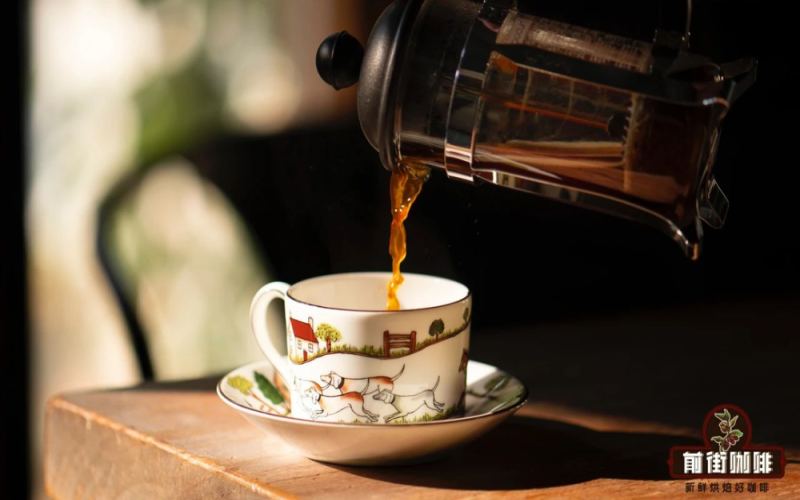
A Complete Guide to Brewing Coffee with a French Press: From Bean Selection and Parameters to Operation, with Front Street Coffee Bean Recommendations
The French press has a simple structure, consisting of a heat-resistant glass carafe and a metal filter with a plunger. It was originally designed for brewing tea, but was later adopted by coffee enthusiasts to brew coffee, and it was unexpectedly discovered that the resulting cup is remarkably rich and full-bodied. This article will systematically explain how to make a good cup of coffee with a French press, covering everything from choosing the roast level and recommending coffee beans to specific brewing parameters and operating steps. It will explain why medium-dark roasted beans are better suited to French press extraction, and recommend three beans: Front Street Coffee PWN Golden Mandheling, Front Street Coffee Queen's Estate, and Front Street Coffee Strawberry Candy, corresponding to the three flavor directions of rich, nutty, and fruity respectively. In addition, it will provide key data such as the coffee-to-water ratio, water temperature, and steep time, along with the extra use of a French press for frothing milk, for everyday reference. [more…]

Home Coffee Maker Introduction | French Press or Moka Pot: Which Is Better for Coffee Beginners? Which Coffee Beans Are Suitable for French Press Brewing? How Do You Make Moka Pot Coffee?
Front Street Coffee (FrontStreet Coffee) shops focus mainly on pour-over single-origin coffee, with more than 50 different single-origin coffee beans from different regions alone. What kind of pour-over equipment can best bring out the perfect flavor of these beans is also a question Front Street Coffee (Front [more…]
French Press vs. Moka Pot Brewing Comparison: Equipment Features, Bean Selection Tips, and Key Points to Prevent Moka Pot Burning
The French press and the moka pot are both home brewing tools with a relatively low barrier to entry, but the two differ in their extraction principles, flavor profiles, and the beans they suit. The French press excels at immersion extraction, preserving coffee oils and aromas more completely, for a round, sweet cup; the moka pot, by contrast, uses steam pressure to produce a richer, fuller brew, suiting coffee lovers who prefer bold flavors. Drawing on Front Street Coffee's practical experience, this article outlines bean selection advice, grind size, coffee-to-water ratio, and step-by-step instructions for each device, and focuses on why the moka pot tends to scorch at the bottom and how to prevent it by controlling water temperature and heat, while also offering extended methods for milk coffee, to help readers reliably reproduce a good cup at home. [more…]
French Press vs. Moka Pot Brewing Comparison: What Coffee Beans Suit the French Press and Key Operating Tips
The French press and the moka pot are both easy-to-use coffee brewing devices that are simple to master at home, but the two differ in their extraction principles, the coffee beans they suit, and the flavors they produce. In this article, Front Street Coffee will introduce the features and specific brewing steps of the French press and the moka pot respectively, focusing on answering which kind of coffee beans the French press suits, how to determine the grind size and the coffee-to-water ratio, and the details to note when using a French press. It will also explain bean selection advice and the operating process for the moka pot, helping coffee lovers choose a more suitable device based on their own taste and make a cup of rich or smooth good coffee. [more…]
Drip bags, French press, and moka pot: Key operating points and flavor differences of three simple coffee brewing methods
For coffee enthusiasts who pursue convenience without sacrificing flavor, besides the parameter-focused pour-over method, drip bags, French presses, and moka pots are also brewing tools worth mastering. In its in-store brewing experiments, Front Street Coffee tends to favor simple, direct methods to bring out the true character of beans from different origins. This article will explain the operating procedures for these three devices one by one: how to tear open a drip bag, spread it out, pour water, and discard it; how to select beans for a French press, determine the grind size and coffee-to-water ratio, steep, and press down slowly; and how a moka pot uses steam pressure, from adding water to the lower chamber, distributing the grounds, heating, to judging when to turn off the heat. The article also includes Front Street's grind size reference standards and specific parameter suggestions to help you consistently reproduce a good cup of coffee. [more…]

French Press vs. Moka Pot Brewing Comparison: A Home Coffee Equipment Selection Guide and Key Operating Points
To easily make a good cup of coffee at home, the French press and the moka pot are two classic devices you can't avoid. Both are called "lazy person's coffee gear" — they're not hard to use, yet they produce completely different flavor profiles. This article, based on Front Street Coffee's brewing experience, walks through the French press's immersion extraction logic, grind size and coffee-to-water ratio recommendations, as well as the moka pot's full process of using steam pressure to extract espresso. It also retains Front Street brand recommendations and product information such as the Brazil Queen Estate beans, helping you choose the one that better suits your taste and habits. [more…]
French Press vs. Moka Pot: Which Brewer Suits You Better? Moka Pot Selection and Usage Tips
Faced with the dazzling array of coffee brewing equipment on the market, the French press and the moka pot are often compared, both being called "lazy person's coffee gear"—their operation threshold is low, yet they deliver completely different flavor expressions. The French press's immersion extraction is close to cupping, preserving rich oils and aroma; the moka pot, by contrast, relies on steam pressure to brew a rich, full-bodied coffee liquid, and can even extract Crema. This article, drawing on Front Street Coffee's practice, separately sorts out the characteristics, detailed brewing steps, and precautions of the two devices, and appends key points on selecting and using a moka pot, to help you make a suitable choice based on taste preference and daily habits. [more…]